
How Fiber Aids Detox and Boosts Health
The Powerful Role of Fiber in Detox and Health
In today's health-focused world, there's a lot of buzz around detox and the ways to achieve it. One of the simplest yet most effective methods is dietary fiber. Fiber is not just for digestion; it plays a crucial role in detoxifying the body and boosting overall health.
What is Fiber?
Fiber is a type of carbohydrate that the body cannot digest. It passes through the digestive system largely intact, which helps clean out waste and toxins from the body. There are two types of fiber: soluble and insoluble.
- Soluble fiber dissolves in water and forms a gel-like substance. It is found in foods like oats, apples, and beans.
- Insoluble fiber does not dissolve in water. It helps move material through the digestive system and is found in whole grains and vegetables.
The Benefits of Fiber for Detox
Let's explore how fiber helps detoxify the body and promote health.
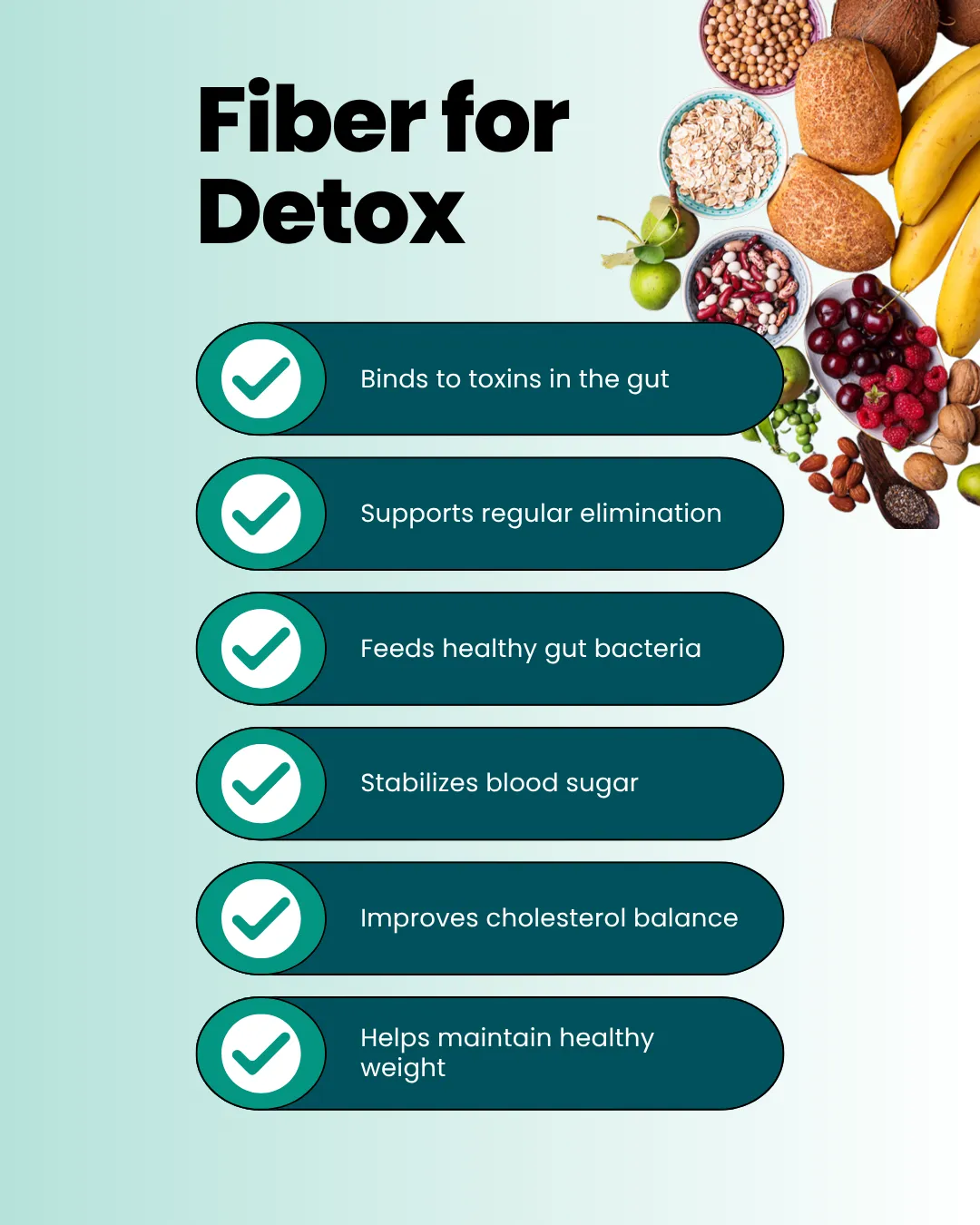
- Binds to Toxins in the Gut
Fiber binds to toxins and waste products in the gut, helping to expel them from the body. This process reduces the burden on the liver and enhances the body's natural detoxification. - Supports Regular Elimination
A high-fiber diet helps ensure regular bowel movements, which keep the digestive tract functioning properly. This is crucial for the prompt removal of harmful substances from the body. - Feeds Healthy Gut Bacteria
Fiber acts as a prebiotic, feeding the 'good' bacteria in the gut. A healthy gut biome supports better digestion and can improve mental and overall health. - Stabilizes Blood Sugar
Fiber, especially soluble fiber, can slow down the absorption of sugar, helping to stabilize blood sugar levels. This is beneficial for everyone, particularly for those managing diabetes. - Improves Cholesterol Balance
Soluble fiber helps lower cholesterol by binding with bile acids in the intestines. This can help maintain a healthy heart. - Helps Maintain Healthy Weight
High-fiber foods are more filling. Including them in your diet can help you feel full for longer, which helps control weight by reducing the overall food intake.
Foods High in Fiber
Adding fiber to your diet is easier than you might think. Here are some fiber-rich foods to consider:
- Whole grain bread, pasta, and cereal
- Legumes like lentils, beans, and chickpeas
- Fruits like apples, pears, and bananas
- Vegetables such as broccoli, carrots, and peas
- Nuts and seeds like almonds, chia, and flaxseeds
Tips for Increasing Fiber Intake
Slow and steady wins the race. Here are some tips to increase fiber in your diet:
- Start Gradually
Slowly increase your fiber intake to prevent digestive discomfort. - Drink Plenty of Water
Fiber works best when it absorbs water, making water intake important. - Read Food Labels
Check labels to choose products high in fiber. - Add Fiber to Every Meal
Ensure each meal contains a fiber source, like fruits or whole grains.
Conclusion
Fiber is a vital component of a healthy diet. Its benefits for detoxification, digestion, and disease prevention are unparalleled. By incorporating more fiber into daily meals, you can support your body's natural detox processes and improve overall health. Simple changes, such as choosing whole grains over refined ones or adding more fruits and vegetables, can make a big difference. Start today to harness the detox power of fiber!
