
Uncovering Hidden Gluten in Everyday Foods
Uncovering Hidden Gluten in Everyday Foods
For many people, avoiding gluten is a dietary must. Whether due to celiac disease or personal choice, knowing where gluten hides is crucial. While it's easy to dodge bread and pasta, gluten can lurk in places you might not expect. Let's explore these often-overlooked gluten sources and learn how to steer clear of them.
What is Gluten?
Gluten is a protein found in wheat, barley, and rye. It gives bread its chewy texture and helps it rise. For some, gluten can cause digestive issues or more severe health problems. That's why spotting gluten in foods is essential for anyone on a gluten-free diet.
Hidden Sources of Gluten
Finding gluten hidden in everyday foods is a challenge for many. Understanding where gluten may be sneaking into your diet can help maintain a gluten-free lifestyle. Here are some spots where gluten can hide:
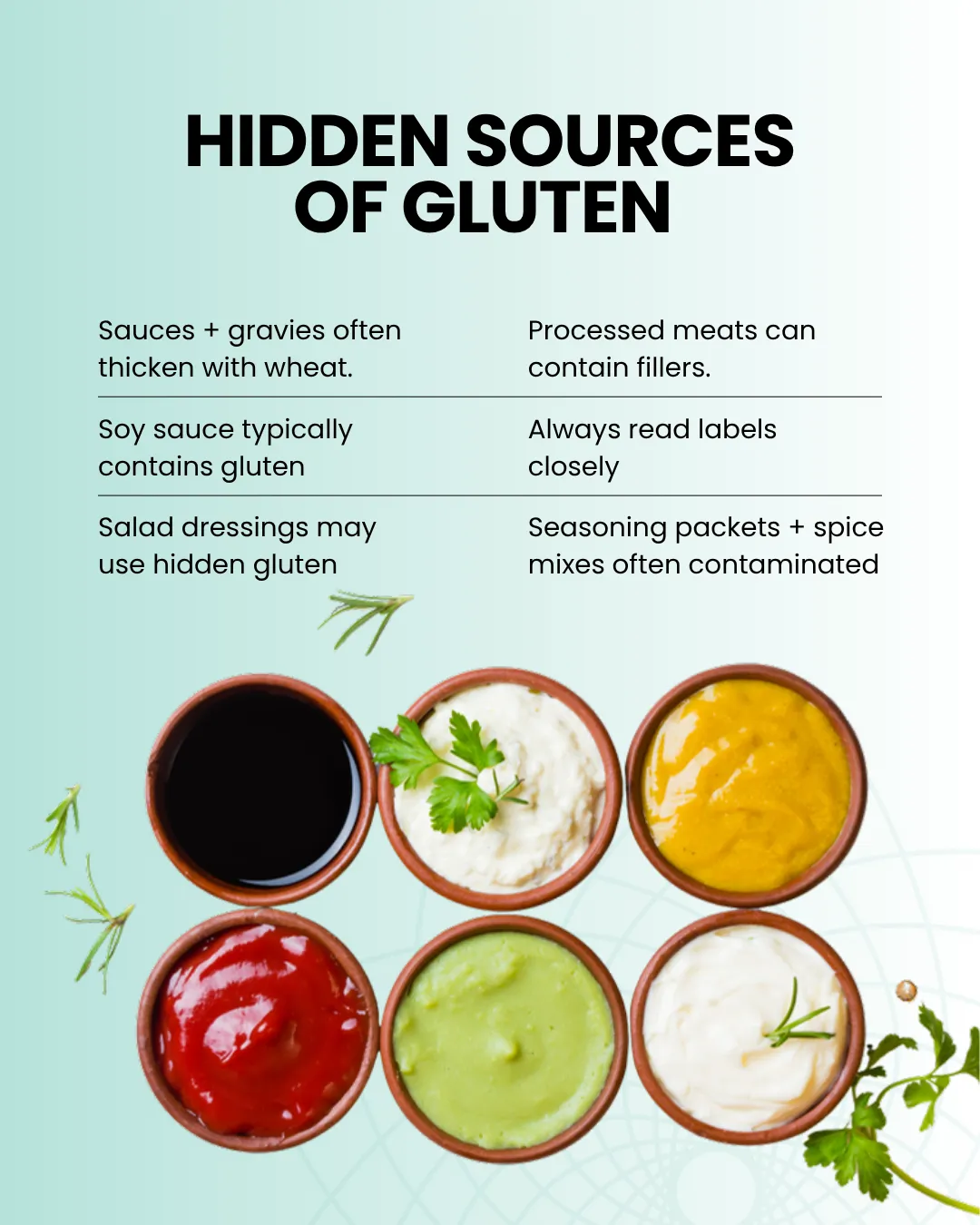
- Sauces and Gravies: Many sauces and gravies thicken with wheat flour, which contains gluten. If you didn’t make it yourself, it’s best to assume it may contain gluten.
- Soy Sauce: Unlike what the name suggests, traditional soy sauce usually contains wheat. Always look for a gluten-free label or choose tamari, which is often gluten-free.
- Salad Dressings: Some salad dressings use additives or thickeners that contain gluten. Again, reading the label is key.
- Processed Meats: Fillers in processed meats like sausages can contain gluten. Opt for brands that clearly state they're gluten-free.
- Seasoning Packets: Pre-mixed spice blends and seasoning packets may use gluten-containing anti-caking agents. Making your own blends ensures safety.
Why is Gluten Hidden?
Manufacturers often use gluten to improve texture, flavor, and shelf stability. Because of gluten’s usefulness, it can be found in numerous processed foods you’d never suspect.
Tips for Identifying Gluten-Free Foods
Avoiding gluten becomes more manageable once you have the right strategies in place. Here are some tips to help you:
- Read Labels Carefully: Checking ingredient lists and looking for certified gluten-free labels is vital. These labels ensure the product doesn’t contain gluten.
- Ask About Preparation: When dining out, ask how your food is prepared. Cross-contamination can happen in kitchens that prepare both gluten-free and regular meals.
- Research Brands: Some brands are known for their gluten-free foods. Familiarize yourself with these brands for safer choices.
- Educate Yourself: Knowing which grains are naturally gluten-free can help you make informed decisions. Rice, corn, quinoa, and millet are good options.
- Develop Cooking Skills: Cooking at home with whole, unprocessed ingredients is a reliable way to avoid gluten.
The Impacts of Gluten Awareness
By knowing these hidden sources, people can better manage their gluten intake. This can lead to improved health and lessening unwanted symptoms in those who are sensitive or allergic to gluten.
Understanding where gluten hides also empowers individuals to make better food choices, fostering a culture of awareness and health in their community.
In conclusion, while avoiding gluten can initially seem daunting, staying informed, vigilant, and educated makes it attainable. Keep exploring, learning, and tasting the delightful variety of gluten-free options available to enjoy life to the fullest.
