
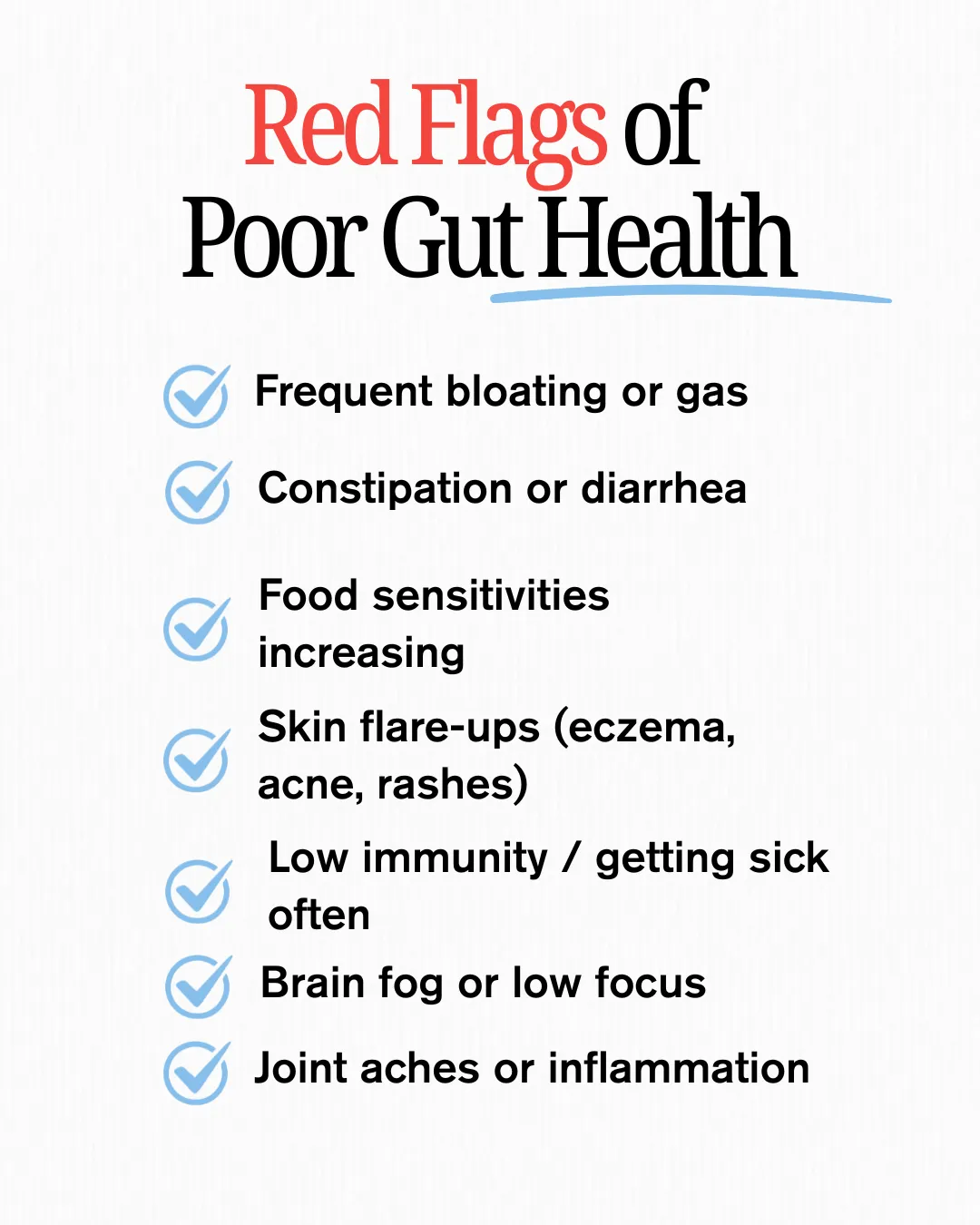
Top Signs of Poor Gut Health to Watch
Understanding the Red Flags of Poor Gut Health
Our gut plays a crucial role in our overall well-being. It helps break down food, absorb nutrients, and defend against harmful organisms. However, when something goes wrong, the signs can be confusing. Here are some common signs of poor gut health and how to address them.
1. Frequent Bloating or Gas
Bloating and gas can be uncomfortable and embarrassing. They may happen when your gut bacteria are out of balance. To combat this:
- Try eating slowly and avoid carbonated drinks.
- Identify and eliminate foods that cause discomfort.
- Consider probiotics to help balance your gut flora.
2. Constipation or Diarrhea
Both constipation and diarrhea signal that your digestive system isn't functioning properly. You can address these issues by:
- Staying hydrated with plenty of water.
- Incorporating more fiber into your diet, such as fruits and vegetables.
- Avoiding processed foods that can irritate your gut.
3. Increasing Food Sensitivities
If you find yourself reacting to foods that never bothered you before, it could be due to poor gut health. Consider the following:
- Maintain a food diary to identify trigger foods.
- Try eliminating these foods under a nutritionist's guidance.
- Explore supplements like digestive enzymes.
4. Skin Flare-ups (Eczema, Acne, Rashes)
The skin is often a reflection of what’s happening inside the body. If your gut isn't healthy, it might show up as eczema, acne, or other rashes. To help your skin:
- Hydrate well and eat a balanced diet rich in vitamins.
- Avoid harsh soaps and try natural skincare products.
- Keep track of potential food triggers that affect your skin.
5. Low Immunity / Getting Sick Often
A large part of the immune system resides in the gut. If you're getting sick often, it's time to support your immune system with gut health:
- Incorporate fermented foods like yogurt and sauerkraut.
- Consider a good quality probiotic supplement.
- Reduce stress through mindfulness practices.
6. Brain Fog or Low Focus
Unexpected? The gut-brain connection is real. A troubled gut can lead to a cloudy mind. To clear away the fog:
- Ensure you're getting enough omega-3 fatty acids.
- Stay hydrated and avoid excessive caffeine.
- Exercise regularly to boost brain health.
7. Joint Aches or Inflammation
Sometimes, joint pain can be linked to food sensitivities and inflammation stemming from the gut. To ease the pain:
- Consider anti-inflammatory foods like turmeric and ginger.
- Maintain a balanced diet to support whole-body health.
- Consult a healthcare provider for persistent joint issues.
Conclusion
Paying attention to these signs can help you catch gut health issues early. Implementing small changes like improving your diet, reducing stress, and staying active can go a long way in maintaining a healthy gut. If symptoms persist, it's always best to consult with a healthcare professional for personalized advice. Understanding and listening to your body is key to living a healthier life.
