
Understanding Food Sensitivity Symptoms
Understanding Food Sensitivity Symptoms
Have you ever felt unwell after eating certain foods? This might indicate a food sensitivity. Unlike allergies, food sensitivities are often harder to notice because the symptoms can vary and may not appear right away. However, recognizing these symptoms can lead to better health and well-being.
Common Symptoms of Food Sensitivity
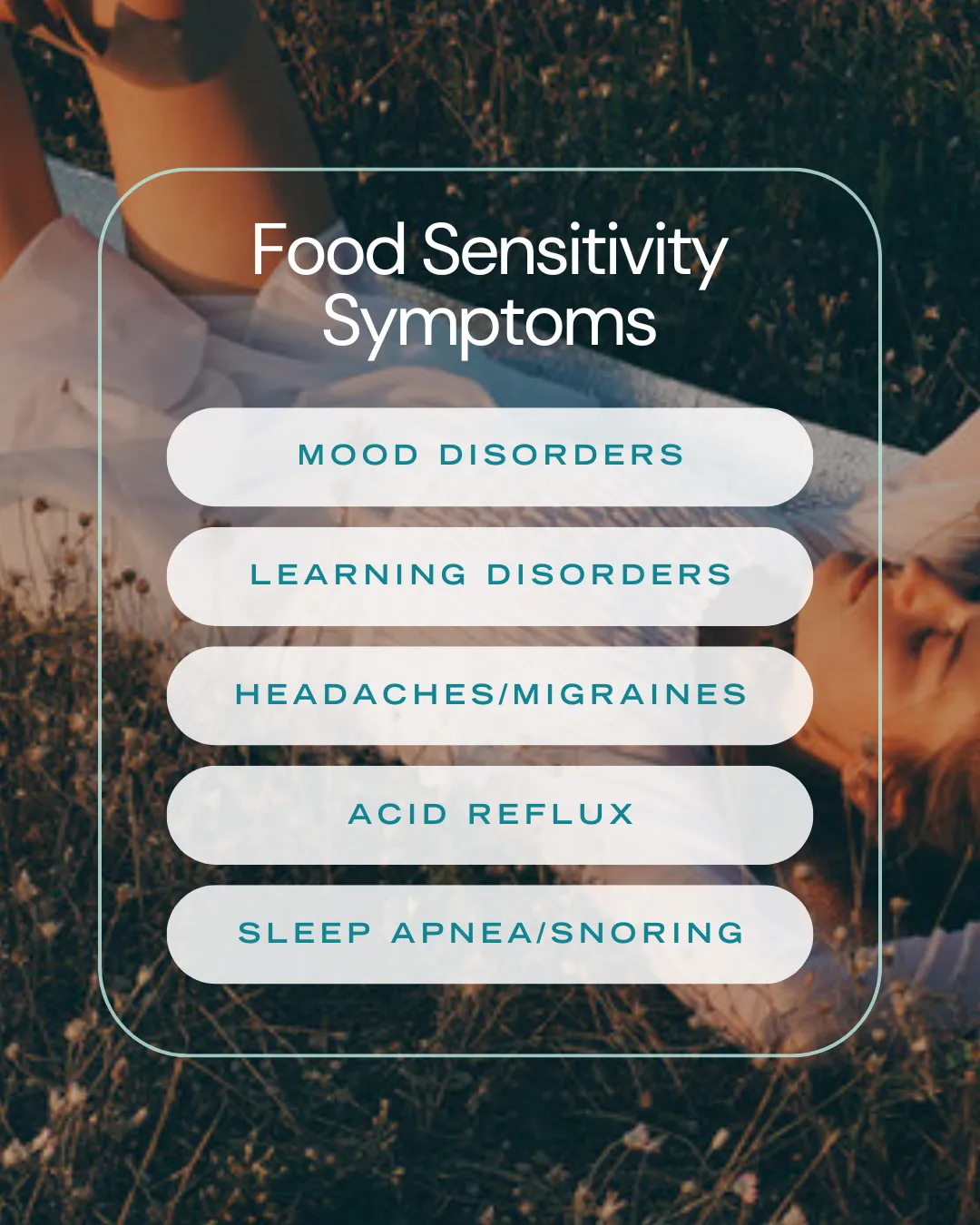
Food sensitivities can cause a range of symptoms. Here are the common ones:
- Mood Disorders: Some people experience mood swings, irritability, or anxiety after eating foods they're sensitive to. This can affect everyday life and relationships.
- Learning Disorders: For children and adults, food sensitivities might make it harder to focus or learn. Some notice changes in attention span or increased difficulty with tasks they usually manage.
- Headaches/Migraines: Frequent headaches or migraines can be a sign of food sensitivity. If certain foods trigger these headaches, identifying them can bring relief.
- Acid Reflux: If you're dealing with frequent heartburn or acid reflux, it might be due to food sensitivity. This condition can be uncomfortable and even painful.
- Sleep Apnea/Snoring: Some people may snore or have sleep apnea due to food sensitivities. This not only affects sleep quality but can also lead to other health issues.
How to Identify Food Sensitivities
Identifying food sensitivities involves paying attention to your body's reactions to foods. Here’s how you can start:
- Keep a Food Diary: Track what you eat and note any symptoms you experience. Over time, patterns will emerge.
- Elimination Diet: Remove suspected foods from your diet for a period and then reintroduce them one at a time. Observe your body's reaction.
- Consult Professionals: Nutritionists and dietitians can help identify food sensitivities and suggest alternative foods.
Steps to Manage Food Sensitivities
Once you've identified food sensitivities, managing your diet can improve your health. Here are some tips:
- Read Labels: Be mindful of ingredients in packaged foods. Avoid foods that contain triggers.
- Plan Meals: Prepare meals at home to have control over ingredients. This also helps in maintaining a balanced diet.
- Stay Hydrated: Drinking water supports digestion and helps reduce some symptoms associated with food sensitivities.
Conclusion
Being aware of food sensitivity symptoms can transform your health journey. Identifying problematic foods and managing your diet is crucial. While it requires attention and effort, the benefits are worth it. Enhanced mood, improved focus, fewer headaches, and better sleep are all achievable outcomes. Begin your path to understanding and managing your food sensitivities today.
